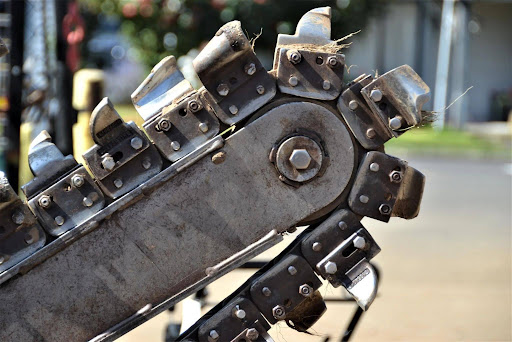
When trencher teeth become worn or damaged, replacing them may seem like a straightforward task. However, finding the right trencher replacement teeth involves more than choosing a tooth that looks similar to the one already on your machine. Differences in tooth type, dimensions, mounting configuration, and machine model can affect fitment and cutting performance. Before placing an order, it is worth checking a few key details to make sure the replacement matches both your equipment and the work you need to do.
1. Confirm Your Trencher Model
Start by confirming the exact trencher you are working with. Check the brand, model, and machine size, as these details can affect which teeth and mounting components are compatible with your equipment. You should also confirm whether you are using a chain trencher or a wheel trencher, since their cutting systems can be configured differently.
If possible, check the machine manual, existing part number, or information marked on the current tooth or holder. Do not rely only on the appearance of the old tooth. Two teeth may look similar but have different dimensions or mounting configurations. Confirming your trencher model first gives you a reliable starting point for checking the rest of the replacement details.
2. Identify the Tooth Type You Actually Need
Once you know your trencher model, the next step is to identify the tooth type used by your cutting system. Trencher teeth are not all designed for the same cutting conditions, so choosing a replacement based only on appearance can lead to a poor match.
Common options include:
- Carbide trencher teeth: Often used for general trenching and applications where durability is important.
- Rock teeth: Designed for applications involving harder and more abrasive material.
- Cup cutter teeth: Used on certain trencher configurations and cutting systems.
- Shark teeth: Another configuration used for specific trenching applications.
The right choice depends on how your trencher is configured and what type of work you regularly perform. A heavier-duty tooth is not automatically a better choice if it does not match your machine or application. Checking the existing tooth type before ordering can help you avoid an incorrect replacement.
3. Check the Dimensions and Mounting Configuration
Getting the tooth type right does not necessarily mean the replacement will fit. Before ordering, compare the dimensions and mounting configuration of the existing tooth with the replacement. Even small differences in the shank, mounting area, or retaining system can prevent the tooth from fitting the holder correctly.
Pay particular attention to:
- Tooth dimensions: Check the relevant length, width, and overall size.
- Shank and mounting dimensions: Make sure the part that fits into the holder has the correct dimensions.
- Holder or pocket: Confirm that the tooth is designed for your existing holder.
- Pin or retaining system: Check that the retaining method matches your setup.
- Mounting orientation: Make sure the tooth is designed to sit correctly in the holder.
A replacement tooth can be suitable for the same type of trenching work but still be incompatible with your machine. Checking these details before ordering can help prevent fitment problems and unnecessary downtime.
4. Inspect the Existing Tooth and Holder
Before ordering a replacement, inspect the tooth that is currently installed rather than relying only on its part number or appearance. The wear pattern can give you useful information about how the trencher is operating and whether another component may also need attention.
Check for:
- Uneven wear: One side of the tooth may be wearing faster than the other.
- Carbide damage: Look for chipped, cracked, or missing carbide tips.
- Holder wear: A worn holder may prevent the new tooth from sitting securely.
- Mounting damage: Check for deformation or damage around the mounting area.
If the holder is badly worn, replacing the tooth alone may not solve fitment or cutting consistency issues. Checking both components before ordering helps you determine what actually needs to be replaced.
5. Consider the Job You Use the Trencher For
The type of trenching work you do can also affect which replacement tooth is appropriate. A trencher used mainly for utility work may have different requirements from one used for pipeline installation, drainage, or road construction. The frequency and type of cutting also matter when deciding what to replace.
For example, if your machine is normally used for cable or utility trenching but occasionally encounters harder material, you do not necessarily need to choose a tooth configuration based on that occasional condition. Instead, consider the work the trencher performs most often and make sure the replacement matches the existing cutting system.
Looking at the actual application helps you avoid choosing a replacement based on an unusual job rather than your normal operating conditions.
6. Check the Part Number and Replacement Details
Once you have confirmed the machine, tooth type, and mounting configuration, check the available part information before placing an order. If the existing tooth has a part number, compare it with the replacement information rather than relying on a visual match.
It is useful to confirm:
- Part number: Compare the existing and replacement part numbers when available.
- Dimensions: Make sure the listed dimensions match your requirements.
- Tooth style: Confirm that the replacement uses the same configuration.
- Quantity: Check how many teeth you need for the job.
- Holder compatibility: Make sure the tooth works with your existing holder.
- Machine model: Confirm compatibility with your specific trencher.
If you are unsure which configuration matches your equipment, JYF Machinery offers trencher teeth and related wear parts for different trenching applications. Providing your machine and existing part details can make it easier to confirm the appropriate replacement.
7. Check the Complete Cutting System Before Ordering
Before placing the order, take a quick look at the rest of the cutting system as well. The chain, holders or pockets, sprockets, and nose wheel can all affect how the trencher operates. If one of these components is badly worn, installing new teeth alone may not restore consistent cutting or solve an existing fitment problem.
Checking the complete system can help you identify other worn components at the same time and avoid having to stop the machine again shortly after replacing the teeth.
Conclusion
Ordering replacement teeth starts with confirming compatibility, not simply choosing a tooth that looks similar. Checking the machine, tooth type, dimensions, mounting system, and existing components can help you avoid fitment problems, unnecessary downtime, and repeated replacements.