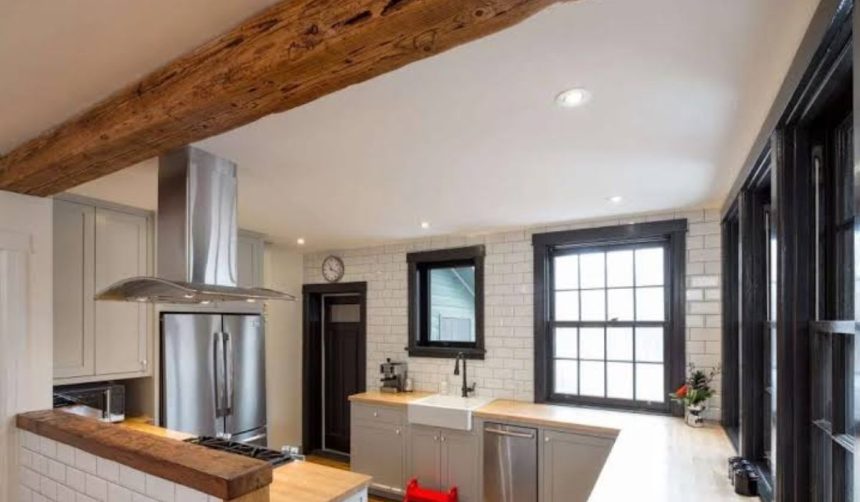
Older homes often have character that newer properties struggle to replicate, from original woodwork and distinctive layouts to architectural details with a story behind them. However, aging systems and outdated features can affect comfort, efficiency, and convenience. Modernizing does not mean stripping away that character. With thoughtful improvements, homeowners can preserve what makes an older home special while creating a safer, more efficient, and comfortable space for everyday living.
Upgrade Your Home’s Energy Efficiency
Improving energy efficiency is one of the smartest ways to modernize an older home. Many older properties were built before today’s insulation standards, energy-efficient windows, and advanced heating and cooling systems became common. As a result, they may use more energy than necessary and develop uncomfortable hot or cold spots.
Start by identifying where energy is being lost. Check the attic, walls, basement, crawl spaces, doors, and windows for inadequate insulation or air leaks. Sealing gaps around frames, vents, and utility penetrations can reduce drafts and help conditioned air stay indoors. Adding insulation where needed can further improve indoor temperature control while reducing the workload on heating and cooling equipment.
Consider Better Windows and Doors
Replacing severely outdated windows and exterior doors can also improve comfort and energy performance. Look for options with strong insulation properties and appropriate ratings for the local climate. If the original windows are still in good condition, however, restoration and weatherproofing may be more appropriate than replacement.
The goal is not necessarily to replace everything at once. Prioritize improvements based on condition, energy loss, and expected return. Tackling the biggest sources of inefficiency first can make modernization more manageable and cost-effective.
Modernize the Plumbing and Water Heating
Plumbing is another area where older homes can benefit significantly from modernization. Aging pipes, inefficient fixtures, and outdated water-heating equipment may increase maintenance needs and operating costs. A professional inspection can reveal corrosion, leaks, low water pressure, or other issues that may be hidden behind walls and floors.
Replacing worn fixtures with water-efficient faucets, showerheads, and toilets can reduce unnecessary water consumption without sacrificing everyday convenience. It is also worth evaluating the condition and efficiency of the water heater, especially if the existing unit is approaching the end of its useful life.
Improve Hot Water Efficiency
Modern water-heating solutions can provide reliable hot water while using less energy and freeing up valuable space. Depending on household demand, available utilities, installation requirements, and budget, a homeowner may benefit from upgrading to a more efficient system, such as a tankless water heater in Layton.
Before choosing a replacement, consider household size, simultaneous hot-water usage, fuel source, installation costs, and available space. A qualified professional can assess the home’s existing plumbing and utility connections to determine which system is suitable.
Refresh the Electrical System
Electrical systems in older homes deserve special attention because modern households typically place greater demands on wiring and electrical panels than homes did decades ago. Computers, kitchen appliances, entertainment equipment, heating and cooling systems, and other devices can place significant loads on an outdated system.
Warning signs such as frequently tripped breakers, flickering lights, warm outlets, buzzing sounds, or a shortage of usable outlets should not be ignored. An electrician can inspect the system and determine whether repairs, rewiring, grounding improvements, or a panel upgrade are necessary.
Add Modern Convenience Safely
Once the electrical system is confirmed to be adequate, consider practical upgrades that make the home easier to use. Additional outlets can reduce dependence on extension cords, while improved lighting can make rooms feel brighter and more functional.
Layered lighting is particularly effective in older homes. Combine ambient lighting with task and accent fixtures to highlight architectural details while improving visibility. Motion-activated lights in utility areas and exterior spaces can also provide added convenience and security.
Update Kitchens and Bathrooms Strategically
Kitchens and bathrooms often make an older home feel dated, but a complete renovation is not always necessary. Strategic changes can provide a noticeable transformation while preserving the home’s original character.
In the kitchen, consider updating cabinet hardware, countertops, lighting, faucets, flooring, or storage solutions. If the cabinets are structurally sound, refinishing or repainting them may provide a fresh appearance without replacing the entire system. Adding pullout shelves, drawer organizers, and improved pantry storage can also make an older kitchen much more practical.
Bathrooms can benefit from updated fixtures, improved ventilation, fresh surfaces, and better lighting. Water-efficient fixtures can reduce consumption, while modern exhaust fans can help manage moisture and protect the home from long-term humidity-related damage.
Preserve Character Where It Matters
When renovating an older home, avoid removing distinctive details simply because they look different from current trends. Original trim, doors, flooring, built-ins, tile, and other architectural features can contribute substantially to the property’s appeal.
Instead, look for ways to make old and new elements work together. A restored original door can complement contemporary lighting, while updated fixtures can coexist with traditional millwork. This balanced approach creates a home that feels modern without becoming generic.
Improve Indoor Comfort and Air Quality
Modernization should improve how a home feels, not just how it looks. Older properties may have inconsistent temperatures, poor ventilation, excess humidity, or accumulated dust and allergens. Addressing these concerns can make daily life noticeably more comfortable.
Begin with the heating and cooling system. Have equipment inspected and maintained regularly, and replace filters as recommended. If the system is outdated or struggling to maintain comfortable temperatures, discuss replacement or supplemental solutions with a qualified professional.
Ventilation is equally important. Kitchens and bathrooms need effective exhaust to remove moisture, odors, and pollutants. In other areas, appropriate ventilation can help maintain healthier indoor conditions and reduce condensation.
Strengthen Insulation and Air Sealing
Improved insulation and air sealing can support both comfort and HVAC performance. When conditioned air is not constantly escaping through cracks or poorly insulated areas, indoor temperatures are easier to maintain.
Pay particular attention to the attic, where inadequate insulation can contribute to significant heat transfer. Sealing air leaks before adding insulation is often an important part of the process because insulation alone cannot compensate for major uncontrolled airflow.
Add Modern Safety and Security Features
Safety upgrades are among the most practical improvements for an older home. Install or verify smoke alarms and carbon monoxide detectors in appropriate locations, and make sure they are tested regularly. Older homes may also benefit from updated locks, improved exterior lighting, handrails, and slip-resistant surfaces.
Check stairs, porches, balconies, and walkways for signs of deterioration. Address loose railings, damaged steps, uneven surfaces, and other hazards before they become more serious problems.
Security can also be improved without changing the home’s appearance. Stronger door hardware, well-positioned outdoor lighting, and clear views around entrances can provide useful protection while preserving the property’s character.
Plan Improvements in the Right Order
Modernizing an older home is easier when projects are prioritized instead of completed randomly. Start with safety and structural concerns, followed by major systems such as electrical, plumbing, heating, cooling, and water heating. Energy-efficiency improvements can follow, with cosmetic updates completed as the final layer.
This approach helps prevent situations where a newly renovated room must later be opened because an aging pipe or electrical component needs replacement. It also allows homeowners to spread costs over time while making meaningful progress.
A professional inspection can help create a realistic modernization plan. Understanding the home’s current condition makes it easier to estimate costs, identify urgent repairs, and determine which upgrades offer the greatest practical value.
Conclusion
Modernizing an older home is about finding the right balance between contemporary performance and timeless character. Energy improvements, updated plumbing and electrical systems, strategic kitchen and bathroom changes, better indoor comfort, and enhanced safety can make a significant difference. By prioritizing essential systems and preserving distinctive features, homeowners can create a more efficient, comfortable, and functional home without erasing what makes it unique.