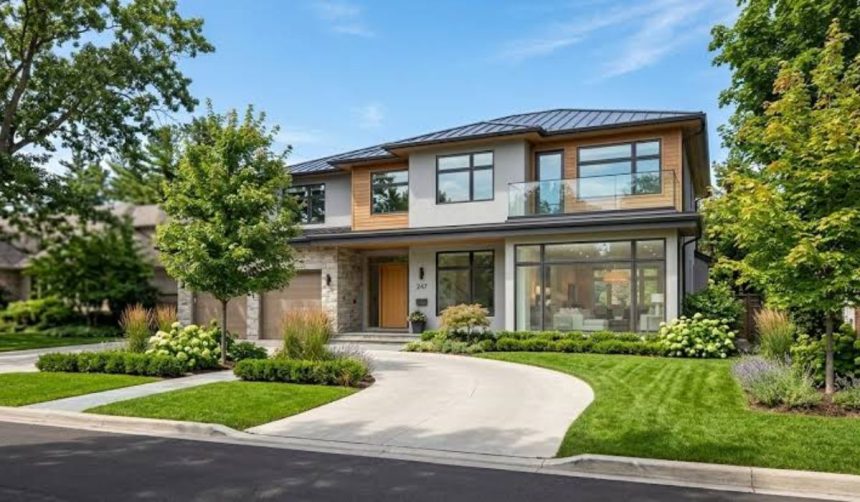
Making your home more energy efficient does not have to mean replacing windows, remodeling rooms, or investing in expensive upgrades. Small changes to lighting, appliances, insulation, air circulation, and daily habits can reduce wasted energy while making your home more comfortable. With a few practical improvements, you can lower monthly utility bills and create a more efficient home without taking on a major renovation project.
Improve Your Home’s Lighting Efficiency
Lighting is one of the easiest places to start when looking for ways to reduce household energy consumption. Begin by replacing older, inefficient light bulbs with energy-saving options that provide the same brightness while using less electricity. Focus first on lights that stay on for several hours each day, such as kitchen, living room, hallway, and outdoor fixtures.
You can also reduce unnecessary energy use by making better use of natural light. Open curtains and blinds during the day to brighten rooms without switching on overhead lights. When you leave a room, turn off lights that are no longer needed. These simple habits may seem minor, but they can make a noticeable difference when practiced consistently throughout the year.
Use Controls to Prevent Wasted Electricity
Timers, motion sensors, and automatic shutoff controls can help prevent lights from operating when nobody needs them. These options are particularly useful for outdoor lighting, bathrooms, closets, garages, and other areas that people enter only occasionally.
Another useful habit is to pay attention to decorative lighting. Lamps, accent lights, and other fixtures can contribute to energy use even when they provide little practical illumination. Limiting unnecessary lighting can complement more efficient bulbs and help keep electricity consumption under control.
Reduce Energy Waste From Appliances
Household appliances can account for a significant portion of a home’s energy use, particularly when they operate frequently or remain connected to electricity around the clock. Start by identifying appliances that consume power for long periods, including refrigerators, freezers, laundry equipment, dishwashers, and heating or cooling equipment.
Keeping appliances clean and properly maintained can also improve their efficiency. Dust, dirt, clogged filters, and restricted airflow can make equipment work harder than necessary. Regular maintenance helps appliances perform as intended and may also reduce the likelihood of premature wear.
If an appliance is not working correctly, repairing the underlying problem may be more practical than allowing it to continue operating inefficiently. For homeowners seeking professional help, services such as appliance repair in Roy, UT can address performance problems that may otherwise contribute to unnecessary energy use.
Avoid Standby Energy Consumption
Many electronic devices continue drawing small amounts of electricity even when they are not actively being used. This standby consumption can add up when numerous devices remain plugged in throughout the home.
Consider unplugging equipment that is rarely used or connecting several devices to a power strip that can be switched off when needed. This approach works especially well for entertainment equipment, chargers, office equipment, and seasonal electronics. Reducing standby power is a simple way to eliminate energy waste without changing how your home is built.
Seal Air Leaks and Improve Insulation
A home can lose heating and cooling energy through small gaps around doors, windows, vents, pipes, and other openings. You do not necessarily need replacement windows or a large remodeling project to address these problems. Inspect areas where different materials meet and look for visible gaps, cracks, or worn weatherstripping.
Adding or replacing weatherstripping around doors and windows can help reduce drafts. Caulking appropriate gaps around stationary components can also limit unwanted air movement. These improvements are relatively straightforward and can make rooms feel more comfortable by reducing temperature fluctuations.
Check the Attic and Other Insulated Areas
Insulation helps slow the transfer of heat between your home and the outdoors. If insulation is thin, damaged, or unevenly distributed, your heating and cooling systems may need to operate longer to maintain a comfortable indoor temperature.
Check accessible areas such as the attic for obvious signs of insufficient insulation or air leakage. If you are uncertain about the condition of your insulation, a professional home energy assessment can identify areas where improvements would have the greatest impact. Adding insulation in targeted locations can often provide meaningful efficiency benefits without requiring extensive interior renovations.
Make Heating and Cooling More Efficient
Heating and cooling systems often have a major effect on household energy consumption. One of the simplest ways to improve efficiency is to avoid setting indoor temperatures dramatically lower or higher than necessary. Moderate thermostat adjustments can reduce the amount of work required to maintain comfortable conditions.
Changing or cleaning air filters as recommended is another important step. A dirty filter can restrict airflow, forcing the system to work harder. Keep vents and registers clear of furniture, curtains, and other obstructions so conditioned air can circulate effectively throughout the room.
Improve Airflow Around the Home
Ceiling fans and portable fans can help distribute air and improve comfort without necessarily lowering the thermostat. During warmer weather, moving air can make a room feel cooler. In colder months, appropriate fan settings can help circulate warm air that naturally rises.
Also inspect doors and windows for drafts. If conditioned air escapes through gaps, your heating or cooling system may run more frequently. Combining better airflow with basic air sealing can improve comfort while reducing the amount of energy needed to maintain indoor temperatures.
Use Water More Efficiently
Heating water requires energy, so reducing hot water waste can improve overall household efficiency. Start by taking shorter showers and avoiding unnecessary hot-water use. Fix dripping faucets and plumbing leaks promptly because even small leaks can waste water over time.
You can also improve efficiency by adjusting water-heating habits. Avoid running a dishwasher or washing machine with only a few items when a full load can be completed later. When appropriate for the appliance and your household needs, using cooler water for laundry can reduce the energy required to heat water.
Reduce Hot Water Loss
Insulating accessible hot-water pipes can help reduce heat loss between the water heater and faucets. This can allow hot water to reach fixtures more efficiently, particularly when the water heater is located some distance from frequently used bathrooms or the kitchen.
Be mindful of how much hot water your household actually needs. Small behavioral changes, such as turning off the faucet while brushing your teeth or using warm rather than very hot water for certain cleaning tasks, can gradually reduce energy demand.
Change Everyday Habits That Waste Energy
Energy efficiency is not only about equipment and materials. Daily habits have a major influence on how much electricity and fuel a household uses. Turn off electronics, lights, and fans when they are no longer needed. Avoid leaving doors or windows open while heating or cooling equipment is operating.
Use kitchen appliances thoughtfully as well. Instead of repeatedly opening an oven while cooking, rely on the appliance’s window when possible. Let food cool before placing it in the refrigerator, while avoiding leaving the refrigerator door open longer than necessary. Small adjustments like these reduce avoidable energy loss.
Monitor Your Energy Use
You cannot improve what you do not measure. Review your utility bills regularly and compare your household’s energy consumption from month to month. Look for unusual increases and consider what may have changed in your routine, weather conditions, or appliance usage.
A home energy monitor or similar tracking method can provide additional insight into where electricity is being used. Even without specialized equipment, keeping a simple record of monthly consumption can help you evaluate whether efficiency improvements are making a difference.
Take a Room-by-Room Approach
Trying to make every part of your home more efficient at once can feel overwhelming. Instead, walk through the house one room at a time and identify the most obvious sources of energy waste. Check lighting, drafts, appliances, vents, windows, and electronics as you go.
Start with improvements that are inexpensive and easy to complete. Replacing inefficient bulbs, sealing drafts, cleaning filters, and changing energy-wasting habits can provide a strong starting point. Once those changes are complete, you can consider larger investments based on your home’s specific needs.
Prioritizing improvements also helps you spend money wisely. Rather than purchasing upgrades simply because they are marketed as energy efficient, determine which changes address actual problems in your home. A targeted approach can provide better results while keeping your project manageable.
Conclusion
Making your home more energy efficient without major renovations is possible when you focus on reducing waste rather than completely changing your property. Efficient lighting, maintained appliances, sealed air leaks, better insulation, smarter heating and cooling, and thoughtful daily habits can all contribute to lower energy use. Start with a few practical changes, monitor the results, and gradually build a more comfortable and efficient home over time.